Categories
Uncategorized

Why D23 is superior branded entertainment

3 lessons we learned from D23

Why D23 is a great example of branded entertainment

Home / Blog / D23

3 Reasons why D23 is a superior example of branded entertainment

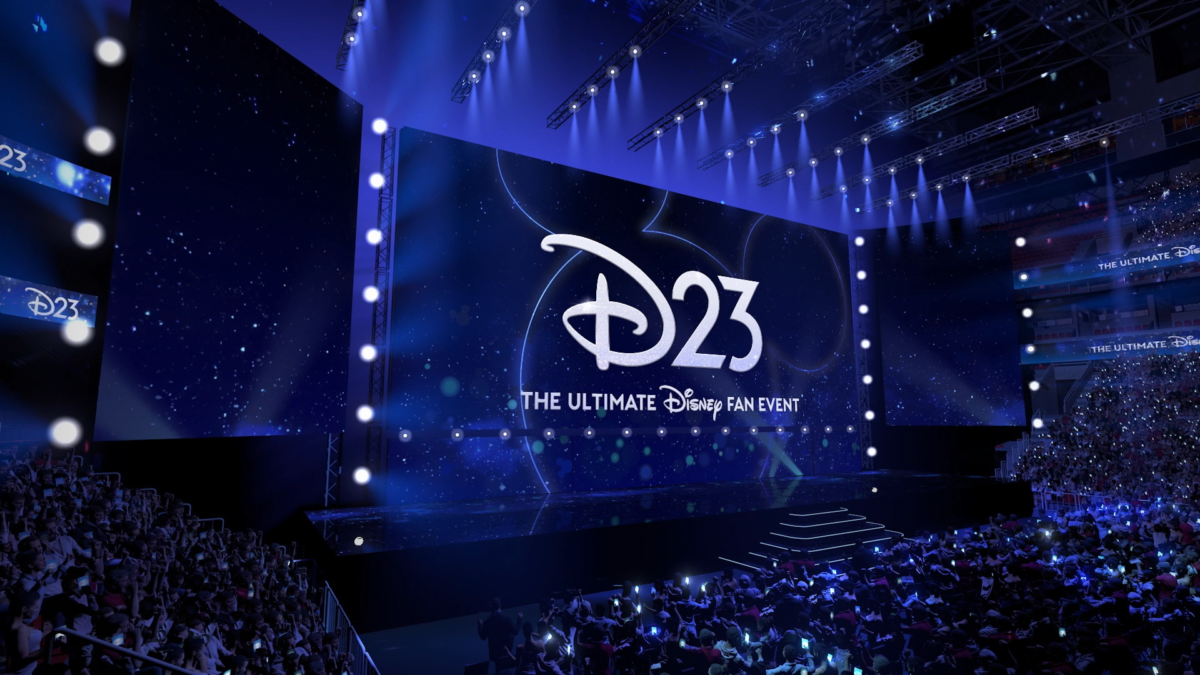
A couple of days ago Disney launched their upcoming projects on D23 – the largest Disney fan event in the world. Every self respecting Disney fan is part of this community and was invited on an exclusive experience. Our editor analysed the event and highlighted 3 main focus points on why D23 is a superior example of branded entertainment. With these 3 insights you might be able to improve your own branded entertainment aswell.

Community Feeling

Disney has a massive global fanbase, so it’s no surprise that a packed arena was buzzing with anticipation for the big news. A large crowd not only makes a strong impression but also creates a sense of community. You feel connected with other ‘fans,’ which strengthens your ‘fan feeling’ towards the brand. If you’re launching something yourself, make sure as many fans as possible are present. In the early stages, friends and family can perfectly fill this role. The key is to have a large, enthusiastic group to celebrate your brand.

Building Excitement

Disney continually taps into dopamine moments. How do they do it? By building suspense, creating a cliffhanger, and then delivering a powerful resolution. For example, a mysterious figure supposedly sneaks into the building… absolute silence. The Disney castle appears – the iconic opening screen of a Disney movie, signaling that something is about to happen… And then, suddenly, a live-action version of STITCH bursts through the screen. The crowd goes wild. Building suspense – a cliffhanger that hints something is coming – is then broken with a bang, revealing that a live-action version of Lilo & Stitch is on the way. This technique creates excitement, making people feel like they’re on an emotional rollercoaster. And it’s that rollercoaster ride that gets shared afterward.

FOMO – Fear Of Missing Out

By applying the previous two techniques, people start sharing their D23 experiences. Just look at all the videos flooding TikTok. This creates FOMO. People who weren’t at the event feel like they’ve missed out. This FOMO feeling creates a perception of exclusivity: “Since I wasn’t there, others had an advantage over me. Next time, I want to be there too.” This exclusivity fosters brand engagement (or at least the desire for it), which will undoubtedly drive more people to get a subscription on D23 or even drive people to Disney’s theatres.

To be continued…

Major companies like Disney and Apple eagerly use this strategy. What’s stopping other brands from doing the same? Exclusive influencer launches or premieres are already tapping into this. But what if you open it up to the broader public? People’s friends were there, but themselves were not – resulting in more and broader brand engagement. Branded entertainment is a useful tool for this.

Awareness – Community – Excitement – FOMO. These are the elements of such a branded entertainment campaign. Don’t hesitate to try this strategy yourself at your next company event or product launch!

Other Projects

Amor - Een podcast telenovelle over parfum en hoe geuren de liefde beïnvloeden.

AMOR (2025)

The first telenovella podcast

The Greatest Show Brand - An experience about brand experience

The Greatest Showbrand (2025)

An experience about brand experience

Recent blogs

Subscribe Our Newsletter

Success
Thank you! Form submitted successfully.
This field is required
Plotfish Logo - Branded Entertainment Blub

Follow our socials for more entertainment.

Copyright 2024 © All Right Reserved by Plotfish

Categories
Uncategorized

Trend Repport 2024

Trend Repport 2024

The rise of branded entertainment

Home / Blog / Trend Repport 2024

Trend Repport 2024 - The rise of Branded Entertainment

In the ever-evolving world of digital marketing, branded entertainment is making a significant impact. Brands are embracing this strategy to create deeper, more meaningful connections with their audiences. This report explores the key trends and best practices in branded entertainment for 2024.

What is Branded Entertainment?

Branded entertainment is a marketing strategy where brands create content that is both entertaining and informative. This content is designed to engage and entertain the audience while subtly integrating the brand. Examples include web series, podcasts, interactive content, and social media campaigns that go beyond traditional advertising.

Key Trends in Branded Entertainment

  1. Narrative Series and Web Shows
    Brands are increasingly investing in high-quality narrative series and web shows. These longer forms of content allow for in-depth storytelling that resonates with audiences.

    Example: Red Bull has built a loyal following with its adventure sport documentaries by telling inspiring stories about extreme athletes.

  2. Podcasts and Audio Content
    With the explosive growth of podcast listeners, brands are discovering the power of audio content. Podcasts provide a platform to discuss complex topics and build an intimate connection with listeners.

    Example: HubSpot’s “The Growth Show” discusses stories and strategies of entrepreneurs and companies, offering valuable insights while reinforcing the brand.

  3. Interactive Content and Gamification
    Interactive content, such as quizzes, interactive videos, and gamified experiences, attracts active audience engagement. This type of content makes the brand experience more enjoyable and memorable.

    Example: Nike’s interactive mobile app offers users personalized workouts and challenges, increasing both engagement and loyalty.

  4. Live Streaming and Real-Time Engagement
    Live streaming is gaining popularity as it allows for real-time interaction with the audience. Brands use live videos for product launches, Q&A sessions, and live events to connect directly with their target audience.

    Example: Sephora uses live streams to broadcast makeup tutorials and product launches, allowing viewers to ask questions and purchase products directly.

  5. User-Generated Content (UGC)
    UGC campaigns encourage customers to create and share their own content, resulting in authentic and credible brand stories. This type of content is often perceived as more trustworthy than brand-created content.

    Example: GoPro encourages users to share their adventurous videos, creating a community of brand ambassadors sharing their experiences.

Best Practices for Branded Entertainment

  1. Know Your Audience:
    Understand the interests and needs of your audience to create content that resonates with them.
  2. Be Authentic:
    Ensure the content is authentic and credible. Avoid excessive brand promotion.
  3. Focus on Quality:
    Invest in high-quality production to deliver professional and appealing content.
  4. Measure and Optimize:
    Use analytical tools to measure your content’s performance and optimize based on the insights gained.

Conclusion

Branded entertainment offers brands a powerful way to connect with their audience on a deep and meaningful level. By tapping into the trends of 2024 and following best practices, businesses can create strong emotional bonds and enhance brand loyalty.

Other Projects

Amor - Een podcast telenovelle over parfum en hoe geuren de liefde beïnvloeden.

AMOR (2025)

The first telenovella podcast

The Greatest Show Brand - An experience about brand experience

The Greatest Showbrand (2025)

An experience about brand experience

Subscribe Our Newsletter

Success
Thank you! Form submitted successfully.
This field is required
Plotfish Logo - Branded Entertainment Blub

Follow our socials for more entertainment.

Copyright 2024 © All Right Reserved by Plotfish

Categories
Uncategorized

Neurobranding in branded entertainment

Neurobranding

Why storytelling and branded entertainment work

Home / Blog / Neurobranding

When does a consumer think of your brand? - Neurobranding

When advertising on social media, you instantly get data on the number of people you’ve reached, their demographics, their location, and whether they’ve clicked through to your website. This makes it easy to calculate your ROI. Did your ad generate enough return for the investment? But what if you invest in a deeper connection with your customer? How can you track that? How can you measure if customers find your brand appealing?

Connections and associations in the brain

Our brain is made up of associations. Things your senses pick up, memories, and corresponding emotions are linked to them, things you are taught, values, norms, and things that are socially accepted or not… All associations.

The same applies to brands. When you think of a brand, various associations arise in your brain.

For example Starbucks is associated to: coffee, bar, trendy, cozy, personal, cups, wrong name, green, mermaid… But also, whether you’ve ever had a handsome barista serve you or had a failed date… All kind of associations make how you feel about a brand.

Strong brands have easily identifiable and recognizable associations in the human brain:

  • These associations trigger the brain to think of the brand. (Triggers)
  • These associations add value to the brand, making a consumer more likely to buy. (Drives)
  • These associations create recognizable links in a sales process, making a customer think of your brand faster than the competition when a need arises. (Cues)

How to track the effect of associations

Neurobranding measures the status of your brand and the associations linked to it. Specifically, it measures brain activity when people come into contact with your brand. This can be done using RIAT or fMRI.

Fun fact: Focus groups are less suitable for this type of research because they always create a kind of “group pressure” or the feeling that people have to justify the connotations they make. As a result, the outcomes are not representative.

Storytelling and branded entertainment improve the associations

Branded entertainment and storytelling in general aim to create recognizable associations. Moreover, by incorporating these methods into your marketing mix, you link emotion and memories to a brand, thus creating a deeper connection. In addition to sensory associations, emotional associations are the most important triggers. What feeling does the color blue give you, for example? Or what do you feel when you smell lavender?

This combination of sensory perceptions and emotions ensures that a brand is associated in a recognizable and strong way in the consumer’s brain, making your brand more relevant.

Add emotions to the neurological associations, and you will definitely stand out among your competitors.

And now you know why!

Other Projects

Amor - Een podcast telenovelle over parfum en hoe geuren de liefde beïnvloeden.

AMOR (2025)

The first telenovella podcast

The Greatest Show Brand - An experience about brand experience

The Greatest Showbrand (2025)

An experience about brand experience

Recent blogs

Subscribe Our Newsletter

Success
Thank you! Form submitted successfully.
This field is required
Plotfish Logo - Branded Entertainment Blub

Follow our socials for more entertainment.

Copyright 2024 © All Right Reserved by Plotfish

Categories
Uncategorized

Branded Entertainment

Branded entertainment

Making impact on your target audience

Home / Blog / Branded Entertainment

Branded Entertainment - make people enjoy advertisement again

Just like everyone else, I have an ad-blocker, and like everyone else, I subscribe to ad-free streaming services (Netflix, Disney+, Streamz, etc.). For me, it’s super chill, but for brands and businesses, it’s becoming increasingly difficult to reach their target audience. The few places where you can still advertise freely (like social media) are oversaturated. That’s why various brands have started using branded entertainment in recent years.

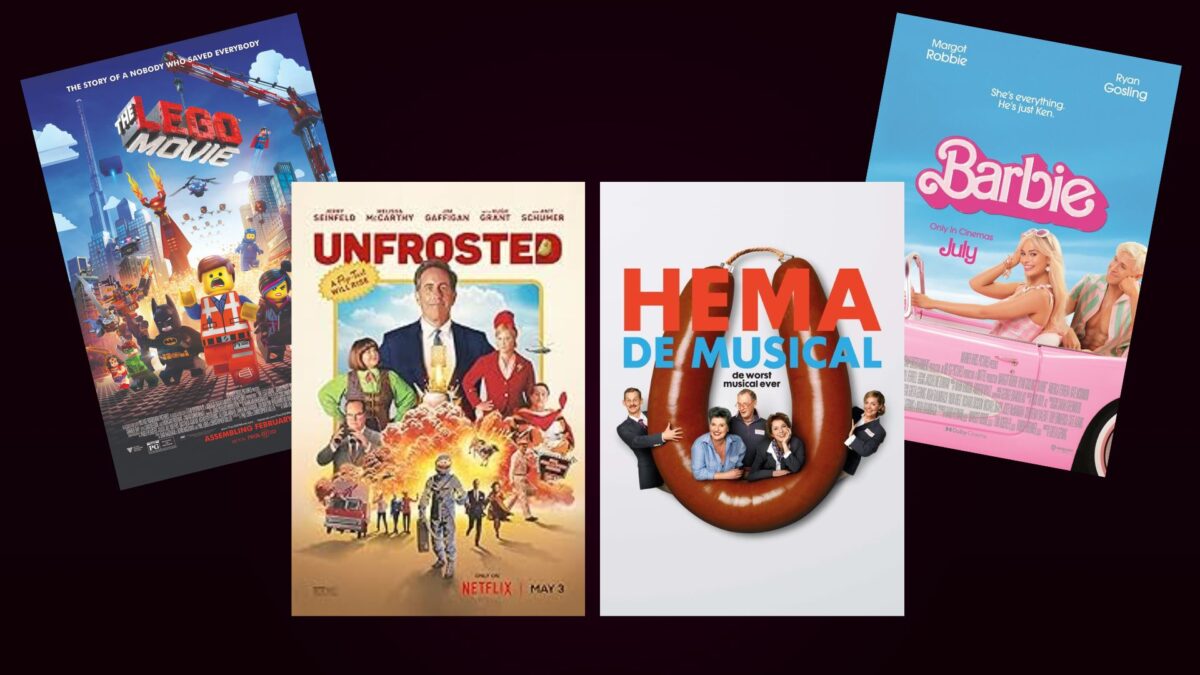
Take Lego and Barbie, for example, who are coming out with their own movies. Or RedBull, which has its own production house to create thrilling content. But it doesn’t stop there…

In 2012, Hema in the Netherlands brought “The Worst Musical Ever.” It played at the Royal Theater Carré and went on tour through the Netherlands until May 2013. Beyond the attendees experiencing 1.5 hours of pure brand immersion, they also ran a promotional campaign (for the musical) that kept the Hema brand continuously in the spotlight, not to mention the PR buzz.

Branded entertainment isn’t just a way to keep your brand in the spotlight; it’s also a fun way to create positive associations in the consumer’s subconscious mind through engaging and relaxing content. Recently, I watched a new film on Netflix called “Unfrosted.” It’s a hilarious story about the 1963 rivalry between Kellogg’s and Post (two breakfast cereal brands) competing to create a pastry that would revolutionize breakfast. I got so caught up in the story that I only realized halfway through that the film was actually one big commercial for these cereal brands. When I realized this, I laughed even harder because it was so blatant. That’s branded entertainment for you…

But branded entertainment goes beyond films and series. It’s much more than the familiar “product placement.” Today, branded entertainment can span all types of media channels: podcasts, musical theatre, theater, short movies, online series, books, games, and more.

So, don’t let the traditional marketing mix limit your brand. Try making an impact in a deeper, more playful, and effective way through a non-traditional channel. And most importantly… entertain! Enter the consumer’s life in a fun way!

Interested in branded entertainment but don’t know where to start? Contact us for a free meeting

Other Projects

Amor - Een podcast telenovelle over parfum en hoe geuren de liefde beïnvloeden.

AMOR (2025)

The first telenovella podcast

The Greatest Show Brand - An experience about brand experience

The Greatest Showbrand (2025)

An experience about brand experience

Subscribe Our Newsletter

Success
Thank you! Form submitted successfully.
This field is required
Plotfish Logo - Branded Entertainment Blub

Follow our socials for more entertainment.

Copyright 2024 © All Right Reserved by Plotfish